Last updated: May 2026
Sarlat is one of the easiest towns to add to a first Dordogne trip. The old centre is compact, the streets are best explored on foot, and you can see a lot in half a day if you plan your timing well.
I would not treat Sarlat as a quick stop between two villages. It works better when you give yourself time for the old town, the market, lunch, and one nearby stop later in the day.
Sarlat is especially useful if you want a Dordogne base with restaurants, evening walks, food shops, and easy access to the Dordogne Valley. Beynac, La Roque-Gageac and Domme are the obvious names to compare when you plan your route.
Quick planning notes for Sarlat
Best for: first-time Dordogne visitors, old streets, food markets, restaurants, and a practical town base.
Time needed: half a day for the old town, or a full day if you want the market, lunch, and one nearby village in the afternoon.
Best time to go: morning, especially in summer. On market days, arrive early and expect the centre to be busier around late morning.
Market days: the traditional outdoor market is on Wednesday morning and Saturday. There is also an organic market on Thursday late afternoon, according to the tourist office.
Good to check before you go: market days, parking, restaurant reservations in high season, and whether the panoramic lift is open on your travel date.
A Little History of Sarlat
Sarlat developed around a Benedictine abbey in the early Middle Ages, and much of the old town still follows that original layout. Unlike many other towns in the Dordogne, the historic centre was largely preserved rather than rebuilt, which is why the streets feel dense and consistent when you walk through them.
From the 13th to the 16th century, Sarlat became a regional centre for trade, especially for food products like duck, walnuts and preserved goods. Many of the buildings you see today date from that period, which explains the uniform stone and the narrow streets.
Étienne de La Boétie, born here in the 16th century, is one of the better-known historical figures linked to the town. His house is located in the old centre and is easy to include when you walk through the main streets.
Because the centre remained intact, Sarlat is best explored on foot. Most of the key places sit close together, which makes it easier to plan a simple route without needing transport.
What to see in Sarlat old town
Most of the main sights in Sarlat are located within a small area, so you can see them in a single walk. It helps to start early, especially on market days, and move through the centre before it gets crowded around late morning.
A natural starting point is the Sarlat market, which takes place on Wednesday morning and Saturday. The streets around Place de la Liberté fill quickly, so arriving early makes a big difference if you want space to walk and actually see the stalls. You can combine this with a short walk through the surrounding streets before stopping for lunch.
From there, you will pass Place de la Liberté, which sits at the centre of the old town. This is where many streets connect, so you will likely cross it more than once. It works well as a short stop, especially if you want a coffee break or need to reorient your route.
A few minutes away, you will reach the Sainte-Marie Church and bell tower. Inside, a panoramic lift takes you to the top for a view over the rooftops. It is worth checking in advance if it is open, especially outside high season, as opening times can change.
As you continue walking, you will naturally come across smaller landmarks, including La Lanterne des Morts. It is a quick stop, but easy to include without adjusting your route.
If you follow the streets between these points, you will also pass Maison de la Boétie, which sits directly in the old centre. It fits naturally into the walk and does not require a detour. Because everything is so close together, you can simply walk from one place to the next.
What to eat in Sarlat (and when to go)
Sarlat is one of the better places in the Dordogne to try local food in a compact setting. Many of the regional products you see across the area, like duck, walnuts, and truffles, are easy to find here, especially on market days.
If you are visiting on a Wednesday or Saturday morning, the market is the best place to start. I would walk through it early, then return later once the centre gets busier and you have a better idea of what you want to try.
Outside the market, most restaurants are concentrated in and around the old town. It helps to book ahead in high season, especially if you want to eat in the evening, as Sarlat tends to fill up quickly.
You will see the same local dishes on many menus, including duck confit, foie gras, and simple regional wines. Instead of trying to find one specific place, it is often easier to choose based on location and timing while you are already walking through the centre.
If you prefer a more structured experience, you can compare food and market tours in Sarlat here.
Tip: For wine lovers, don’t miss the chance to try some of Dordogne’s regional wines. There are plenty of tastings around the area to give you a true taste of the region.
Sarlat during the holiday season
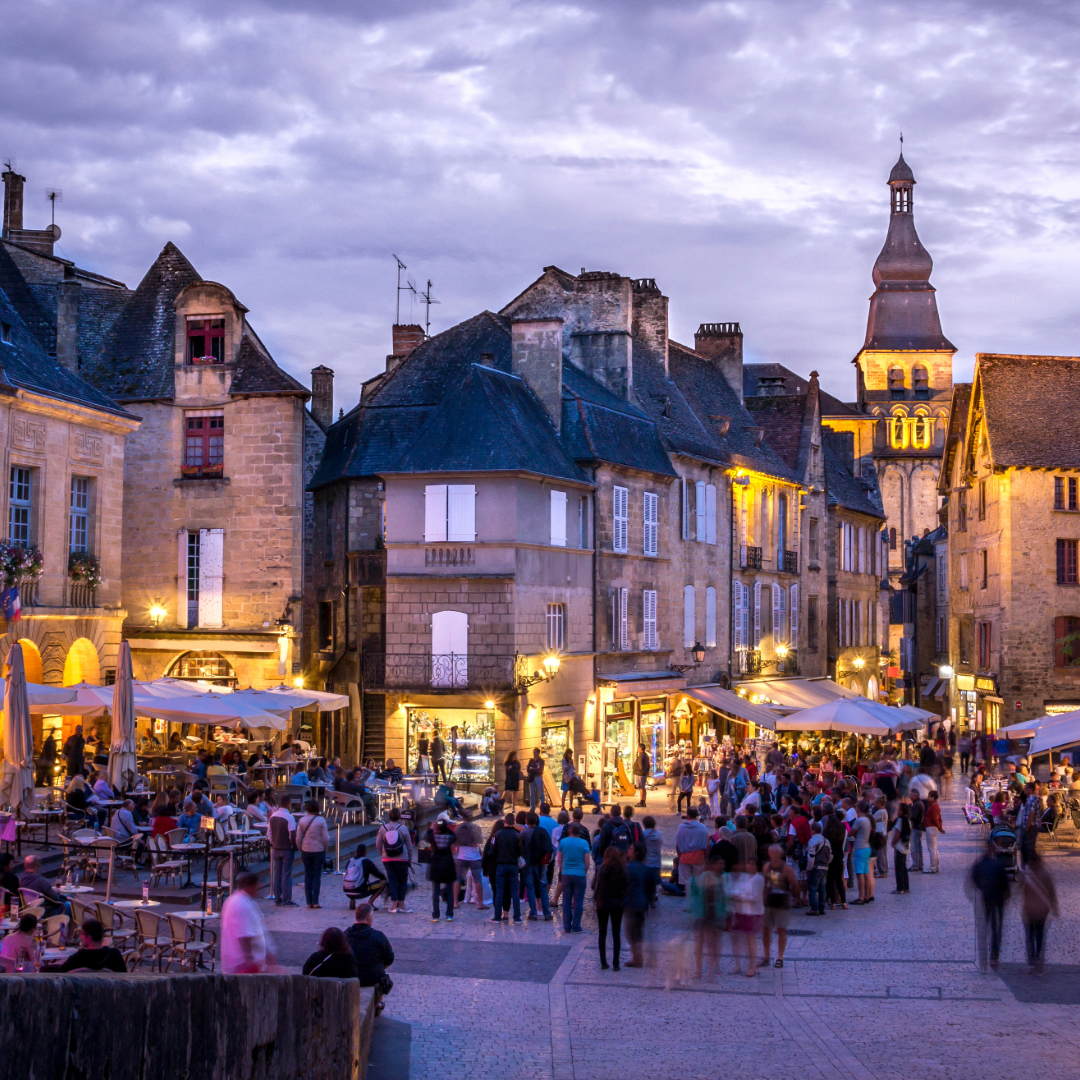
Sarlat becomes noticeably busier during the holiday period, especially around the Christmas market. Saturdays tend to be the most crowded, so it helps to arrive early or visit on a weekday if you prefer a quieter atmosphere.
If you are planning a December visit, it is worth checking dates and opening times in advance, as the schedule can change from year to year.
Day Trips
Sarlat works well as a base if you want to explore the surrounding villages. Many of the best-known places in the Dordogne Valley are within a short drive, including Beynac, La Roque-Gageac and Domme.
Beynac is known for its castle views, La Roque-Gageac sits directly along the river, and Domme is a good stop for a wider view over the valley.
If you prefer not to drive every day, guided tours can be a practical alternative, especially if you want to combine multiple stops in one day.
FAQ about visiting Sarlat
What is the best time to visit Sarlat?
Spring and early autumn are usually the easiest periods to visit, with milder temperatures and fewer crowds. In summer, the town gets noticeably busier, especially on market days, so it helps to arrive early.
How much time do you need in Sarlat?
You can see most of the old town in half a day. A full day works better if you want to visit the market, have lunch, and add one nearby village in the afternoon.
Are there guided tours available in Sarlat?
Yes, there are guided tours focused on food, history, and the surrounding Dordogne Valley. These can be useful if you want to combine multiple places without planning transport yourself.
Planning your visit to Sarlat
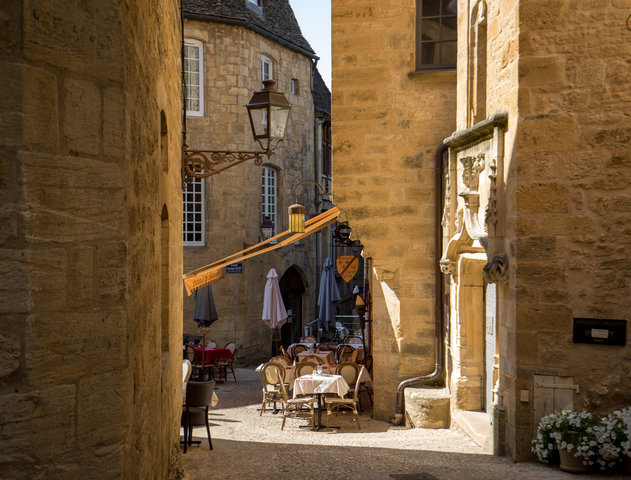
Sarlat is easy to include in a Dordogne itinerary if you plan your timing well. A half day is enough for the old town, but a full day works better if you want to combine the market, lunch, and a nearby village.
If you are deciding where to stay, Sarlat is one of the more practical bases in the region, especially if you want restaurants, shops, and easy access to the Dordogne Valley.
Where to Stay in Sarlat
Sarlat offers a mix of small hotels in the old town and holiday rentals just outside the centre. If you are visiting in summer, it helps to book early, as availability can be limited.
If you want to stay in or near the old town, you can check hotels in Sarlat here. If you are still deciding, you can also read the full guide to the best places to stay in Sarlat.
Final Thought
Sarlat is one of those places that works best when you keep things simple. The centre is compact, most places are within walking distance, and you do not need a detailed plan to make the most of your time there.
Whether you stay for a few hours or use it as a base for a few days, it is a place that fits easily into a Dordogne trip. If you want to see a bit more without figuring everything out yourself, you can always look into
guided options and decide what fits your day.