Have You Heard About La Roque-Gageac?
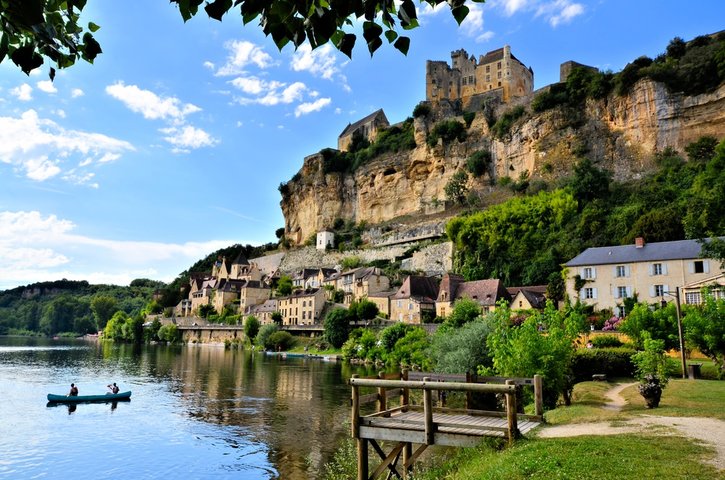
La Roque-Gageac (Occitan Gajac Rock) is not just a village, it’s a journey back in time, set in one of the most picturesque landscapes in France. Built against towering limestone cliffs that naturally protect it, La Roque-Gageac has been a place of strategic and cultural importance for centuries. Archaeological findings suggest its roots trace back to the Roman era, due to its critical location along the Dordogne River and close to ancient trade routes. This position made La Roque-Gageac a trading hub and a defensive stronghold, with layers of history still visible in the village today.
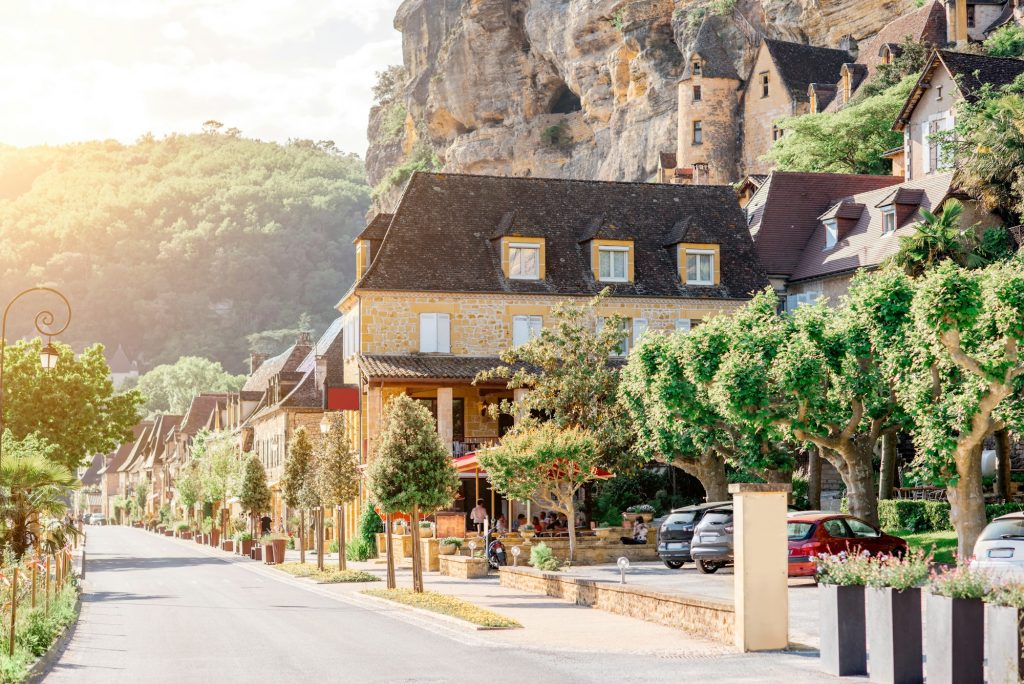
Officially recognized as one of the “Plus Beaux Villages de France,” La Roque-Gageac is a mix of medieval charm and Renaissance grace, with its cliffside architecture seamlessly blending into the natural rock face. The village’s unique construction—a necessity for defense in tumultuous times—created a distinctive look, with honey-colored stone houses and traditional Périgord roofs that seem to grow directly from the cliffside. In the summer, when the village is at its busiest, visitors are drawn not only by the scenery but by the sense of history that hangs in the air.
Unique Cliffside Architecture
La Roque-Gageac’s cliffside architecture is a testament to the village’s unique character and resilience, blending seamlessly with the natural landscape. The homes, constructed from the soft yellow limestone of the region, cling to the sheer cliffs as if rooted in the rock itself. This blend of human ingenuity and natural landscape gave La Roque-Gageac a strategic advantage and made it a nearly impregnable fortress during times of conflict. Wander through the narrow streets, and you’ll notice that the buildings have been deliberately shaped to fit the contours of the cliff. Their iconic orange rooftops, a staple in the Périgord region, create a striking contrast against the greenery that flourishes in the village’s unique microclimate. This harmonious blend of architecture and nature is what truly sets La Roque-Gageac apart.

Château de la Malartrie
The Château de la Malartrie, located just outside the village, is a highlight for those interested in history and architectural beauty. Originally built as a hospital in the 12th century, this structure was transformed into a Renaissance-style château in the 19th century. Its elegant design features Gothic elements, like pointed arches and stained-glass windows, that hint at its medieval roots, alongside Renaissance touches that evoke the sophistication of later eras. Not only does this château offer a glimpse into the architectural styles of the time, but it also provides a chance for an extraordinary experience—guests can actually stay here, with rooms available for booking. Staying at the château allows visitors to immerse themselves in the history of La Roque-Gageac while enjoying a luxurious view of the Dordogne River, making it more than just a sightseeing stop but a memorable experience. Guided tours of the village are also available.
Troglodyte Fort
The Troglodyte Fort is an important historical site that tells the story of the village’s defensive strategies and medieval life. Carved directly into the cliffs above the village, this fort dates back to the 12th century, when it was constructed to guard against invasions. Its strategic cliffside position offered both a vantage point over the Dordogne River and protection for the village below, as the high elevation and steep access paths made it challenging for attackers to reach.
Originally, the fort served as a refuge for villagers, especially during times of conflict, when safety within the village itself was not guaranteed. The stone stairways and pathways leading up to the fort were designed to be narrow and easily defensible, slowing down any invaders. Today, visitors can explore these paths and see parts of the original fortified structures, gaining insight into the architecture and planning that went into protecting La Roque-Gageac’s people.
Although some sections of the fort are now in ruins, it remains a valuable site for learning about the region’s history and for enjoying views of the surrounding landscape. Visitors who make the climb are rewarded with beautiful panoramas of the Dordogne River, the valley, and the village below. For history enthusiasts and curious travelers alike, the Troglodyte Fort provides a unique experience of medieval France and adds depth to a visit to La Roque-Gageac.

Manoir de Tarde
A short walk from the main village brings you to the Manoir de Tarde, a meticulously preserved 15th-century mansion and one of the best examples of Renaissance architecture in the Dordogne. Named after Jean Tarde, an influential astronomer, theologian, and associate of Galileo, the manor reflects the intellectual and artistic spirit of the Renaissance. Its stone façade is decorated with intricate carvings, arched windows, and a prominent spiral staircase, embodying the artistic advancements of its time. Although visitors cannot enter the manor, its exterior alone is captivating, with plaques and information panels providing context for Tarde’s contributions to science and the manor’s historical significance. The manor is an ideal spot for photography and offers visitors a chance to connect with the intellectual history that shaped the region.
Why It’s Worth a Visit: The Manoir de Tarde is more than just a building; it’s a symbol of the region’s historical depth and a connection to one of the Dordogne Valley’s most intellectually curious figures.

Riverside Activities and River Cruises
The Dordogne River is central to the charm of La Roque-Gageac, offering opportunities to see the village from a new perspective. Gabarre boat tours, on traditional flat-bottomed boats that once carried cargo along the river—provide a relaxing journey past the village’s cliffs and surrounding châteaux, including Château de Lacoste, Château de Marqueyssac, and Château de Castelnaud. Each cruise includes historical commentary, detailing the area’s unique geography and the role the river played in trade and defense. Free audioguides in English are also available.
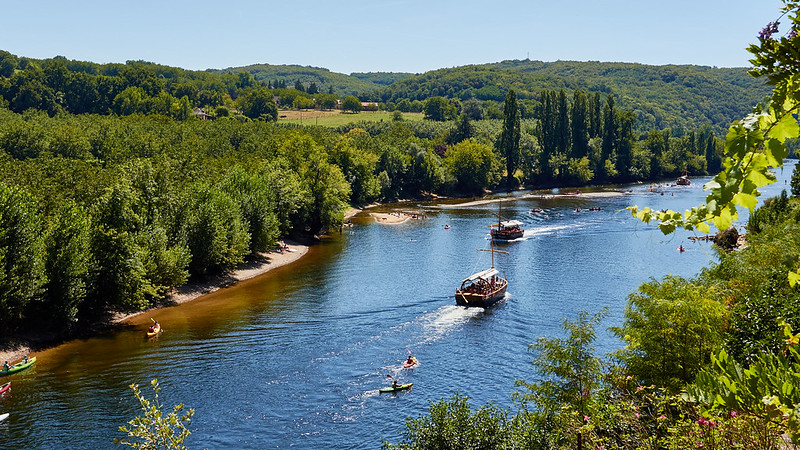
For those seeking a bit more activity, the Dordogne’s calm waters are ideal for kayaking, canoeing, and paddleboarding. These activities allow visitors to explore the river at their own pace, discovering hidden coves and finding quiet spots to enjoy a riverside picnic. Whether on a guided tour or a solo paddle, the Dordogne offers a peaceful yet adventurous way to experience the valley’s natural beauty.
Land-Based Adventures
La Roque-Gageac is a hub for outdoor enthusiasts, with its surrounding cliffs and forests providing endless opportunities for land-based adventures. Rock climbing is popular here, with routes for all skill levels, allowing climbers to scale the cliffs and take in panoramic views of the valley below. Hiking trails around the village wind through forests, meadows, and vineyards, providing both leisurely walks and more challenging treks. For a quieter exploration, there are designated walking paths leading visitors past the area’s unique plant life and offering access to historical landmarks. Maps and trail recommendations are available from the Sarlat-La Canéda Tourist Office, ensuring that visitors have all they need for a day immersed in nature. La Roque-Gageac’s setting makes it perfect for outdoor adventures that highlight the Dordogne’s varied landscape.
For hiking/cycling map see the Sarlat-La Canéda Tourist Office

Key Attractions
Les Jardins Exotiques:
A visit to Les Jardins Exotiques reveals another unexpected side of La Roque-Gageac: a beautiful botanical garden with Mediterranean and tropical plants. Thanks to the village’s microclimate, which is warmer and more humid than the surrounding area, plants like banana trees, palms, and cacti thrive here—an unusual sight in this part of France. Early mornings are particularly serene, with fewer crowds, making it an ideal time to explore the gardens at a leisurely pace. Les Jardins Exotiques offers an unexpected but fitting complement to the village’s medieval and Renaissance architecture, illustrating the harmonious coexistence of nature and history.
Église The Saint-Donat
The 14th-century Église Saint-Donat offers a peaceful retreat within the village. From its forecourt, visitors can enjoy panoramic views of the Dordogne Valley Constructed with traditional Périgordian slates, the church offers panoramic views over the Dordogne Valley from its forecourt, creating a scenic backdrop for visitors. The building itself, with its simple yet dignified architecture, reflects the region’s history and serves as a symbol of continuity amid changing times. Visitors are welcome to enter for quiet reflection or to admire the historical architecture that connects La Roque-Gageac with its past.

Where to Eat and Savor Local Flavors
A trip to La Roque-Gageac wouldn’t be complete without tasting the local cuisine. It’s culinary offerings are as rich as its history, with a variety of options that allow visitors to sample the region’s traditional flavors.
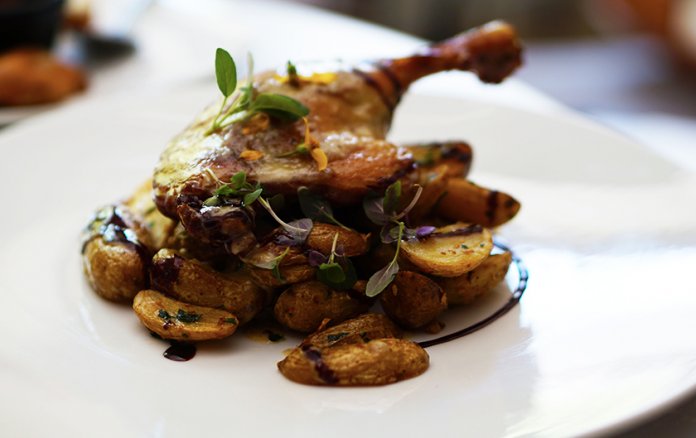
Le Bistrot des Copains: offers classic Perigordian dishes like duck confit and foie gras, served in a cozy setting that feels like a home away from home. For those seeking a blend of fine dining and history, La Belle Étoile has been a local favorite since the early 20th century, offering carefully crafted French dishes with fresh, locally sourced ingredients. This historic restaurant boasts scenic views of the river and an ambiance that recalls La Roque-Gageac’s storied past. Meanwhile, Bambousaie de la Roque-Gageac combines French and Asian influences, serving up sushi, sashimi, and classic French dishes with a modern twist. The restaurant’s stylish decor and friendly atmosphere make it a popular choice for both locals and tourists.
Bambousaie is not just a restaurant; it’s also a cultural hub. The restaurant often hosts live music events and art exhibitions, adding to its unique ambiance. And if you have a sweet tooth, don’t miss the chestnut honey crepe a local favorite.
Taste the Dordogne Wines
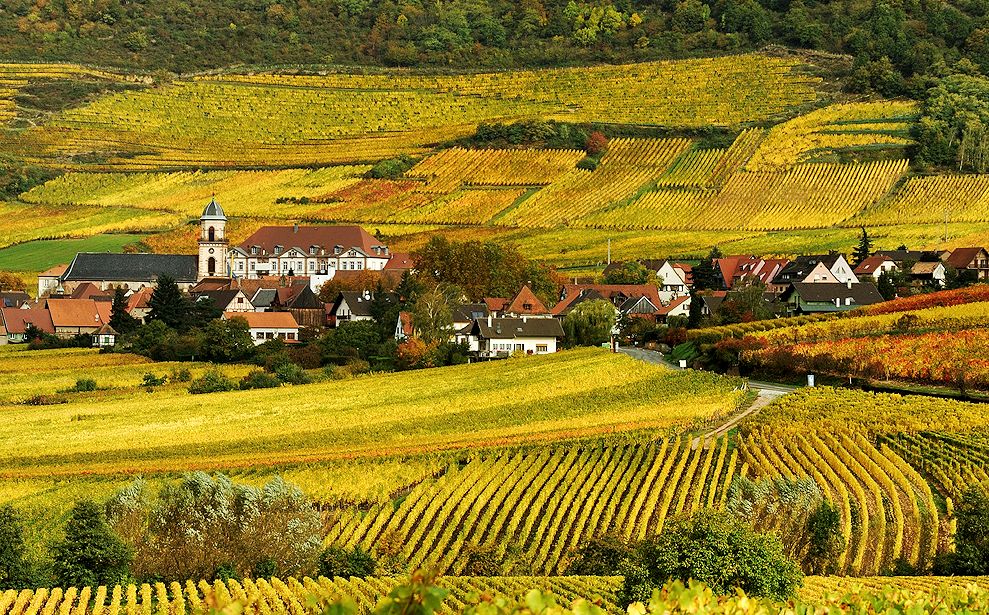
La Roque-Gageac is a great starting point for discovering the Dordogne’s wine regions. Nearby areas like Bergerac and Cahors are known for their wines, that range from light and fruity to rich and robust. Bergerac wines offer fruity notes, while Cahors wines, particularly those made with Malbec, are deeper and bolder.
Wine lovers can enjoy these wines with their meal in the village or take a short trip to one of the local vineyards. Many wineries offer tastings, where you can learn more about the winemaking process and sample different varieties. For more information on local wines, you can visit the Bergerac-Duras Wines website or check out our guide.
Local Markets and Fresh Produce
Local markets offer a delightful way to experience the Dordogne Valley’s fresh produce. From juicy peaches and tomatoes to prized truffles and cheeses like Cabécou and Rocamadour, the markets are a culinary treasure trove.
Pair these local delicacies with fresh bread or a glass of regional wine for an authentic taste of the region. As you wander through the market stalls, you’ll also have the chance to chat with local producers and learn more about their products, including truffles, foie gras, and a variety of cheeses, such as the well-known Cabécou and Rocamadour. These cheeses are often made from goat’s milk and have a rich, creamy texture, perfect for enjoying with freshly baked bread or paired with local wine. The markets also offer a variety of other regional products, including honey, walnut oil, and jams.
Nearby Villages
While La Roque-Gageac is a stunning destination on its own, the Dordogne Valley is home to many other beautiful villages worth visiting. Nearby villages such as Beynac-et-Cazenac and Domme are just a short distance away and offer more opportunities to discover the region’s history and charm.
Beynac-et-Cazenac is known for its impressive medieval castle, while Domme offers some of the best panoramic views of the Dordogne Valley. Each village has its own unique character, and you can easily spend a day exploring their cobblestone streets, historic buildings, and local shops.

Planning Your Visit to La Roque-Gageac
La Roque-Gageac is one of many beautiful villages in the Dordogne Valley. It’s the perfect destination for travelers interested in history, food, and nature. Whether you’re exploring its troglodyte caves, enjoying a boat ride on the Dordogne River, or sampling local dishes, this village has something for everyone.
If you have time, consider visiting other nearby villages such as Beynac-et-Cazenac, Domme, Sarlat-la-Canéda, and Monpazier to experience even more of the Dordogne’s charm. Each village has its own unique appeal, offering stunning views, historical landmarks, and a glimpse into the region’s rich past.
Conclusion
La Roque-Gageac is not just a beautiful village; it’s a place where history, culture, and nature come together to create a memorable experience. Whether you’re walking along the river, enjoying a meal at a local restaurant, or learning about the village’s fascinating past, you’ll find plenty to discover. With its stunning scenery and welcoming atmosphere, it’s easy to see why La Roque-Gageac is considered one of the most beautiful villages in France.
References:
- Bergerac-Duras Wines
- Sarlat-La Canéda Tourist Office
- Château de Lacoste
- Château de Marqueyssac
- Château de Castelnaud
- Gabarres Caminade
For a truly unforgettable experience, consider booking a Private Tour to the Dordogne Valley or renting a canoe to explore the scenic Dordogne River. Click here to learn more and book your adventure!